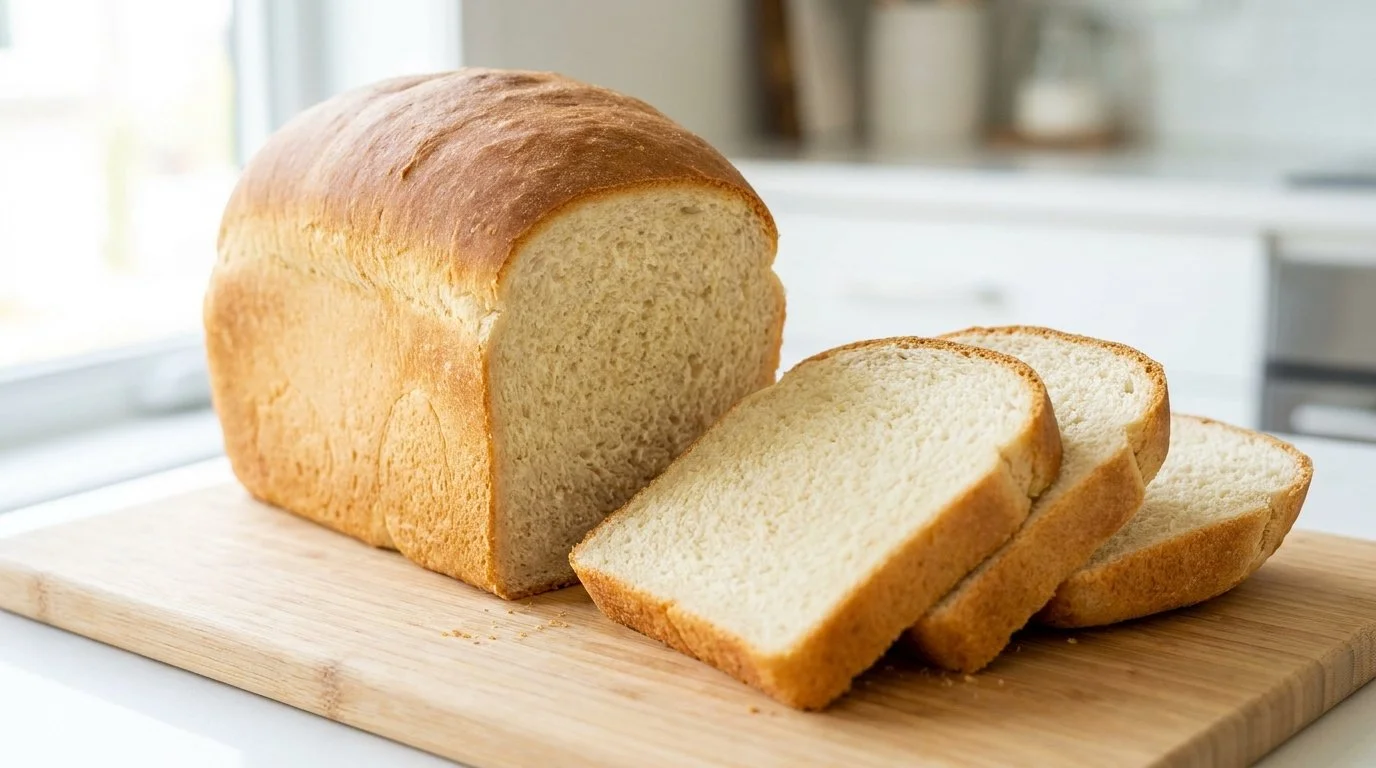
Soft homemade sandwich bread is a comforting staple for any kitchen. This everyday white loaf is simple to make with basic ingredients and yields a tender crumb perfect for sandwiches, toast, or snacking. Its mild flavor and soft texture appeal to families and home bakers alike who want a reliable loaf without fuss. While it’s not a whole grain bread, it offers soul-satisfying comfort and can be a nice base for adding nutritious spreads or fillings. For those who like exploring other bread variations, you might also enjoy this recipe’s simplicity compared to more complex alternatives like the Amish white bread recipe, which shares a similar homemade charm.
Why This Recipe Is Helpful
- Uses accessible ingredients that are common in most kitchens.
- Produces a soft, elastic dough ideal for sandwich-making.
- Offers straightforward steps suitable for beginners.
Best For
This bread suits families looking for a basic homemade loaf and cooks who want a versatile sandwich bread that’s soft and easy to slice.
Be Careful If
This recipe contains dairy and gluten, so it’s not suitable for people with allergies or intolerances to these ingredients.
Ingredients
- 1 cup (240 ml) warm water, about 110°F (43°C)
- 1/4 cup (60 ml) warm whole milk
- 2 1/4 tsp (7 g) instant yeast
- 2 tbsp (25 g) granulated sugar
- 4 tbsp (56 g) unsalted butter, softened
- 1 1/2 tsp (9 g) salt
- 3 1/3 cups (about 420–430 g) all-purpose or bread flour, plus more if needed
Ingredient Notes
- Instant yeast is used for speed and ease; active dry yeast could be substituted but requires proofing.
- Whole milk adds richness and helps with softness; you can’t omit it without affecting texture.
- All-purpose flour works fine, but bread flour might improve chewiness and rise.
- Softened butter enriches the dough; avoid melted butter to maintain dough consistency.
Kitchen Tools Needed
- Large mixing bowl
- Whisk
- Measuring cups and spoons
- Loaf pan (9×5 inches)
- Kitchen towel or plastic wrap
- Oven thermometer (optional but helpful)
Step-by-Step Instructions
- In a large bowl, whisk together warm water, warm milk, yeast, and sugar. Let rest for 5 minutes until foamy, indicating yeast activation.
- Add softened butter, salt, and gradually stir in flour until the dough begins to pull away from the bowl sides.
- Knead the dough on a lightly floured surface for about 5 to 8 minutes until it is soft and elastic. The dough should slightly resist stretching but still be pliable.
- Place the dough in a clean bowl, cover with a kitchen towel or plastic wrap, and let rise in a warm place for 1 to 2 hours until doubled in size.
- Punch down the dough gently, then roll it out into a roughly 8 by 15-inch rectangle. Roll the rectangle tightly into an 8-inch log.
- Grease a 9×5-inch loaf pan and place the rolled dough inside. Cover and let it rise again until the dough rises about 1 inch above the rim, about 1 hour.
- Preheat the oven to 350°F (177°C). Bake the bread for 32 to 36 minutes until the crust turns golden and the internal temperature reaches about 195–200°F (90–93°C).
- Remove from oven, cool on a rack before slicing to ensure clean cuts and proper crumb texture.
Pro Tips
- Ensure water and milk temperatures are lukewarm — too hot can kill the yeast, too cold will delay rising.
- Kneading adequately develops gluten, giving the bread structure and softness.
- Use an oven thermometer when baking to avoid underbaked or overbaked bread.
- Letting the bread cool completely before slicing prevents a gummy texture.
Lighter Swaps
This bread relies on butter and whole milk for its softness, so lighter substitutions tend to affect texture and flavor negatively. The original recipe works best for its tender crumb.
Common Mistakes
- Using water that’s too hot or cold can inhibit yeast activity.
- Under-kneading leads to dense bread, while over-kneading makes dough tough.
- Not letting the dough rise fully before shaping or baking can produce a heavy loaf.
Serving Suggestions
This bread is perfect for classic sandwiches, toasted with butter and jam, or served alongside soups and salads.
Storage Instructions
Store the bread in an airtight container or bag at room temperature for up to 3 days. To keep it longer, freeze sliced portions wrapped tightly.
Reheating Tips
Reheat slices in a toaster or oven for a few minutes to restore softness and warmth.
Nutrition Estimate
- Calories: Approximately 150 per slice (1/12 loaf)
- Protein: 4 g
- Carbohydrates: 27 g
- Fat: 4 g
Values are estimates and may vary by ingredients and portion size.
Recipe Summary
- Prep Time: 15 minutes
- Cook Time: 35 minutes
- Total Time: 2.5 to 3 hours (including rises)
- Servings: 12 slices
- Cuisine: American
- Course: Bread
- Calories: About 150 per slice
Frequently Asked Questions
Q: Can I use dry yeast instead of instant yeast?
A: Yes, but you’ll need to proof dry yeast in warm water first to activate it before adding other ingredients.
Q: Can I make this bread without dairy?
A: This recipe uses milk and butter for softness, but you could try substituting with plant-based milk and margarine, though texture will differ.
Q: How do I know when the bread is fully baked?
A: The crust should be golden brown, and if you use a thermometer, the inside should reach 195–200°F (90–93°C).
Choosing this soft sandwich bread gives you a homey, versatile loaf that’s easy to make and suits many occasions. For more interesting homemade bread options, consider trying an easy chickpea and lentils loaf bread which adds protein and fiber for a wholesome twist. Enjoy fresh slices as part of everyday meals or snacks!