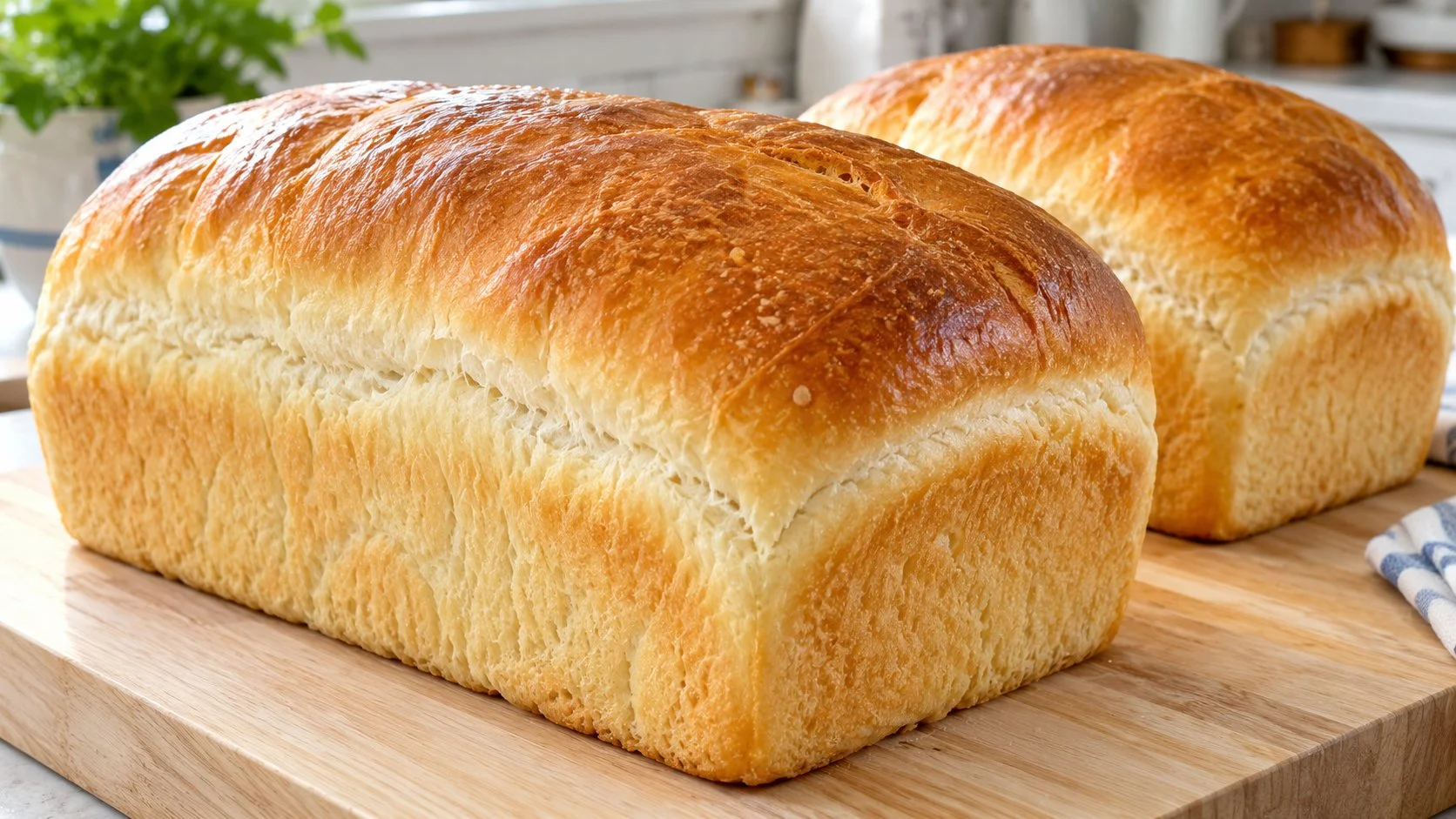
This Amish White Bread recipe is a classic, soft white bread with a tender crumb and lightly buttery crust. It’s perfect for sandwiches or simple toast and appeals to anyone who enjoys homemade bread with minimal fuss. With straightforward ingredients and step-by-step instructions, this recipe is accessible for home bakers looking to make flavorful bread without complicated techniques. Because it contains both milk and oil, it’s richer than basic bread but not overly heavy, making it a satisfying choice for everyday meals. For those interested in trying variations on bread recipes, pairing it with an easy avocado and egg breakfast bread might inspire new ideas.
Why This Recipe Is Helpful
- Uses simple, common ingredients that are easy to find
- Combines milk and oil for a tender, flavorful crumb
- Works well with a stand mixer, hand kneading, or a bread machine
Best For
Home cooks who want a reliable, classic white bread recipe with a soft texture that suits sandwiches and everyday use.
Be Careful If
You are sensitive to dairy or gluten, as this recipe contains both milk and bread flour, which may not be suitable.
Ingredients
- 1 cup (240 ml) water, warmed to 110°F (43°C)
- 1 pinch powdered ginger (optional, helps activate the yeast)
- 1 cup (240 ml) milk, warmed to 110°F (43°C)
- 2/3 cup (135 g) sugar (can reduce slightly if preferred)
- 1 1/2 tablespoons active dry yeast
- 1 1/2 teaspoons salt
- 1/4 cup (60 ml) vegetable oil (coconut oil melted and cooled to 100°F/38°C works well, or use melted butter)
- 5 1/2 cups (660 g) bread flour (adjust as needed)
- 2 tablespoons (30 g) butter, melted (for brushing tops)
Ingredient Notes
- Powdered ginger is optional but can help activate the yeast more reliably.
- Using both water and milk creates a nice balance of hydration and richness.
- Coconut oil adds a subtle flavor, but vegetable oil or melted butter are good alternatives.
- Bread flour ensures better gluten development and structure for the loaf.
Kitchen Tools Needed
- Large mixing bowl
- Stand mixer with dough hook or a wooden spoon for hand kneading
- Measuring cups and spoons
- Loaf pans (9×5 inches or 23×13 cm)
- Pastry brush
- Clean damp cloth or plastic wrap
Step-by-Step Instructions
- In a large bowl, dissolve the sugar into the warm water and milk. Add the yeast and optional powdered ginger, whisk gently, and set aside for 5 to 10 minutes until foamy.
- Stir in 1 cup (120 g) of the bread flour until combined.
- Whisk in the salt and vegetable oil or melted butter.
- With a stand mixer running on low, gradually add the remaining flour, about 1 cup at a time, until the dough pulls away from the sides of the bowl and forms a soft ball. If kneading by hand, gradually mix in flour until sticky, then turn onto a floured surface and knead about 10 minutes or until smooth and elastic, adding flour as needed.
- Lightly oil a large bowl and place the dough inside, turning to coat all sides. Cover with a damp cloth and let rise in a warm place for about 1 hour or until doubled in size.
- Punch down the dough to release air, knead gently for 2 to 3 minutes, then divide into two equal portions. Let rest for 5 minutes.
- Shape each portion into a loaf and place into greased 9×5-inch loaf pans. Brush tops with melted butter.
- Cover again and let rise for 30 minutes or until dough rises about an inch above the pans.
- Preheat your oven to 350°F (175°C). Bake the loaves for about 30 minutes, or until they sound hollow when tapped. An instant-read thermometer inserted in the center should read about 190°F (88°C) when done.
- For a soft crust, brush the tops with more melted butter as soon as the loaves come out of the oven. Cover loosely with a clean tea towel and let cool in the pans for 5 minutes, then remove from pans to cool completely, covered with the towel.
If you prefer, you can also make this bread using a bread machine by adding ingredients in the recommended order, selecting the white bread cycle, and carefully following the machine’s instructions to reset during kneading as the dough rises twice before baking.
Pro Tips
- Make sure liquids are warm but not hot to avoid killing yeast.
- Knead until the dough is smooth and elastic for the best texture.
- Buttering and covering the freshly baked bread keeps the crust soft and tender.
- If your dough is sticky, add flour gradually but avoid making it too dry.
Lighter Swaps
- Use less sugar or substitute with a small amount of honey or maple syrup for a different sweetness profile.
- Opt for olive oil instead of vegetable or coconut oil for a healthier fat source, though it may slightly change flavor.
- For a lighter crust, omit the butter brushing or use a spray of water before baking.
Common Mistakes
- Using water or milk too hot can kill yeast—keep it around 110°F (43°C).
- Adding too much flour can make the bread dense and tough.
- Not allowing enough rising time leads to a heavy, tight crumb.
Serving Suggestions
This bread is excellent for sandwiches, toast with jam or butter, or simply enjoyed warm with soups and stews.
Storage Instructions
Store completely cooled bread in an airtight container or plastic bag at room temperature for up to 3 days, or freeze sliced for longer storage.
Reheating Tips
Warm slices gently in a toaster or oven at low heat to revive freshness without drying out the bread.
Nutrition Estimate
- Calories: ~180 per slice (1/12 loaf)
- Protein: 5 g
- Carbs: 30 g
- Fat: 5 g
Values are estimates and may vary by ingredients and portion size.
Recipe Summary
- Prep Time: 15 minutes
- Cook Time: 30 minutes
- Total Time: Approx. 2 hours (including rising)
- Servings: 12 slices
- Cuisine: American
- Course: Bread
- Calories: Approx. 180 per slice
Frequently Asked Questions
Q: Can I use whole wheat flour instead of bread flour?
A: Whole wheat can be substituted partially but may result in a denser, less fluffy loaf.
Q: What if my dough doesn’t rise?
A: Check yeast freshness and liquid temperature; the yeast needs warmth and sugar to activate.
Q: Can I make this bread without a mixer?
A: Yes, kneading by hand on a floured surface works well, just allow more time and effort.
Conclusion
This Amish White Bread recipe provides a dependable way to make soft, homemade white bread that fits beautifully into everyday meals. Its straightforward approach offers satisfying results for beginners and seasoned bakers alike, and its tender crumb makes it a family favorite worth baking again and again. For more delicious bread ideas, exploring recipes like the garlic butter cheese bread can inspire your baking adventures.