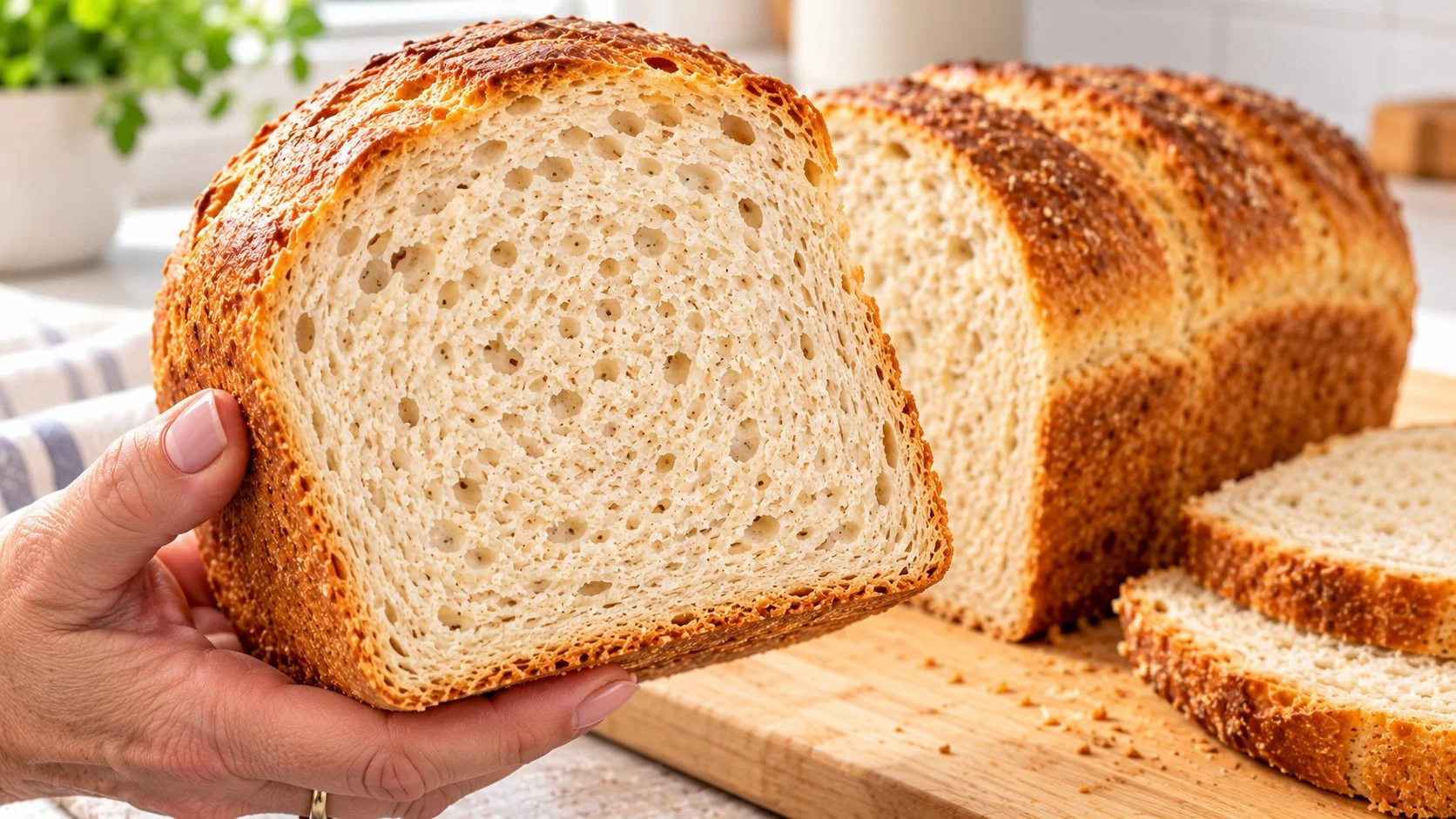
Sourdough discard offers a clever way to reduce waste while creating delightful bread. This sandwich loaf combines sourdough discard with instant yeast for a balanced rise and tender crumb, making it accessible even for those new to sourdough baking. It’s perfect for everyday use—whether for sandwiches or toast—and provides a homemade touch with minimal extra effort. While this bread is not strictly sourdough due to the added yeast, it carries a subtle tang and soft texture, making it a great choice for anyone wanting to add more homemade bread to their meals. For those interested in related ideas, you might enjoy recipes featuring eggs or vegetables like in this avocado and egg breakfast bread.
Why This Recipe Is Helpful
- Uses sourdough discard to minimize waste and add flavor.
- Combines instant yeast for faster rising without losing complexity.
- Results in a soft, elastic dough ideal for sandwich bread.
Best For
This loaf is great for home bakers who want a quick, reliable homemade sandwich bread with a slight sourdough character. It suits families, meal prep enthusiasts, and bread lovers seeking something fresh and wholesome.
Be Careful If
This recipe contains butter and sugar, which add richness and sweetness; those monitoring fat or sugar intake should enjoy it in moderation.
Ingredients
- 100 g (3.5 oz) sourdough discard (unfed sourdough starter)
- 250 g (1 cup + 2 tablespoons) water, room temperature
- 500 g (4 cups) bread flour or all-purpose flour
- 10 g (1 ¾ teaspoons) salt
- 20 g (1 ½ tablespoons) sugar
- 60 g (4 tablespoons) salted butter, softened to room temperature
- 7 g (2 ¼ teaspoons) instant yeast
Ingredient Notes
- Sourdough discard: Unfed starter adds flavor and reduces waste; no need for it to be active or bubbly.
- Instant yeast: Speeds fermentation, making the rise quicker and more predictable.
- Butter: Adds softness and flavor; salted butter is recommended for easy seasoning.
- Substitutions like whole wheat flour can be tried but may alter texture and rising time.
Kitchen Tools Needed
- Stand mixer with dough hook (recommended) or handheld mixer
- Loaf pan (sandwich loaf or pullman pan)
- Measuring cups and spoons or kitchen scale
- Spray bottle with water (optional)
- Cooling rack
Step-by-Step Instructions
- In your mixer bowl, combine sourdough discard, water, and flour. Mix for about 30 seconds until it forms a shaggy dough. Let this rest for 30 minutes to hydrate and start gluten development.
- Add salt, sugar, softened butter, and instant yeast to the bowl. Knead with the dough hook for 3 to 6 minutes until the dough feels elastic, silky, and slightly slaps the bowl. It should stretch without tearing.
- Transfer the dough to a lightly greased bowl, cover, and let rise in a warm spot for about an hour or until doubled in size.
- While the dough rises, butter your loaf or pullman pan lightly.
- Once doubled, turn the dough out onto a clean countertop with the smooth side down and sticky side up. Gently shape it into a rectangle without tearing.
- Fold each short side towards the center, then roll the dough into a tight log starting from the short side. Pinch the seam underneath.
- Place the shaped dough into the prepared pan, seam-side down. Cover and allow it to rise further until just above the rim of the pan (about one hour depending on room temperature).
- Preheat your oven to 180°C (350°F) for at least 10 minutes.
- Lightly mist the top of the dough with water to keep the crust moist and place the pan in the oven. Bake for 40 to 45 minutes or until the crust is golden brown and sounds hollow when tapped.
- Remove from the pan and cool the loaf on a wire rack before slicing.
Pro Tips
- The 30-minute rest after initial mixing allows better gluten formation, essential for bread texture.
- Use room temperature ingredients to promote even fermentation.
- Avoid rushing the proofing step; under-proofed dough can be dense, over-proofed dough may collapse.
- Store your bread properly to keep it fresh longer.
Lighter Swaps
Because butter and sugar contribute to texture and flavor, reducing them may affect the loaf’s softness and taste. For a lighter version, reduce sugar slightly but not the butter. This original recipe balances moisture and tenderness best.
Common Mistakes
- Not kneading enough: results in a dense, crumbly loaf.
- Over-proofing: dough can deflate and lose oven spring.
- Skipping the dough rest: gluten won’t develop well, making shaping harder.
Serving Suggestions
Serve fresh slices with butter, jams, or deli meats for sandwiches. This bread also pairs wonderfully with eggs or roasted vegetables, similar in flavor balance to this crispy and tender eggplant recipe that enhances hearty meals.
Storage Instructions
Wrap the cooled bread in a clean kitchen towel or place in a bread box. For longer storage, slice and freeze; thaw at room temperature or toast directly.
Reheating Tips
Slice and toast for the best fresh-eaten texture. Avoid microwaving as it can make the bread chewy.
Nutrition Estimate
Per serving (1 slice, approx. 50 g):
- Calories: 140 kcal
- Protein: 4 g
- Carbohydrates: 24 g
- Fat: 3.5 g
Values are estimates and may vary by ingredients and portion size.
Recipe Summary
- Prep Time: 15 minutes (+30 minutes resting)
- Cook Time: 40–45 minutes
- Total Time: About 2.5 hours (includes rising)
- Servings: 10 slices
- Cuisine: Bread baking, homemade
- Course: Side, sandwich bread
- Calories: ~140 per slice
Frequently Asked Questions
Q: Can I use whole wheat flour instead of bread flour?
A: You can, but the bread will be denser and may need longer rising time. Try mixing half whole wheat and half bread flour for a good balance.
Q: What if I don’t have a stand mixer?
A: You can knead by hand on a floured surface for about 10 minutes until it becomes elastic and silky.
Q: Can I skip the sourdough discard?
A: The discard adds flavor and reduces waste, but you can replace it with an equal amount of flour and water, making this a regular yeast bread.
Conclusion
This sandwich loaf recipe offers a practical way to make delicious homemade bread using sourdough discard without long fermentation times. Its soft crumb and mild tang make it an excellent everyday bread that complements diverse meals. Enjoy the rewarding baking process and fresh flavors in your kitchen.