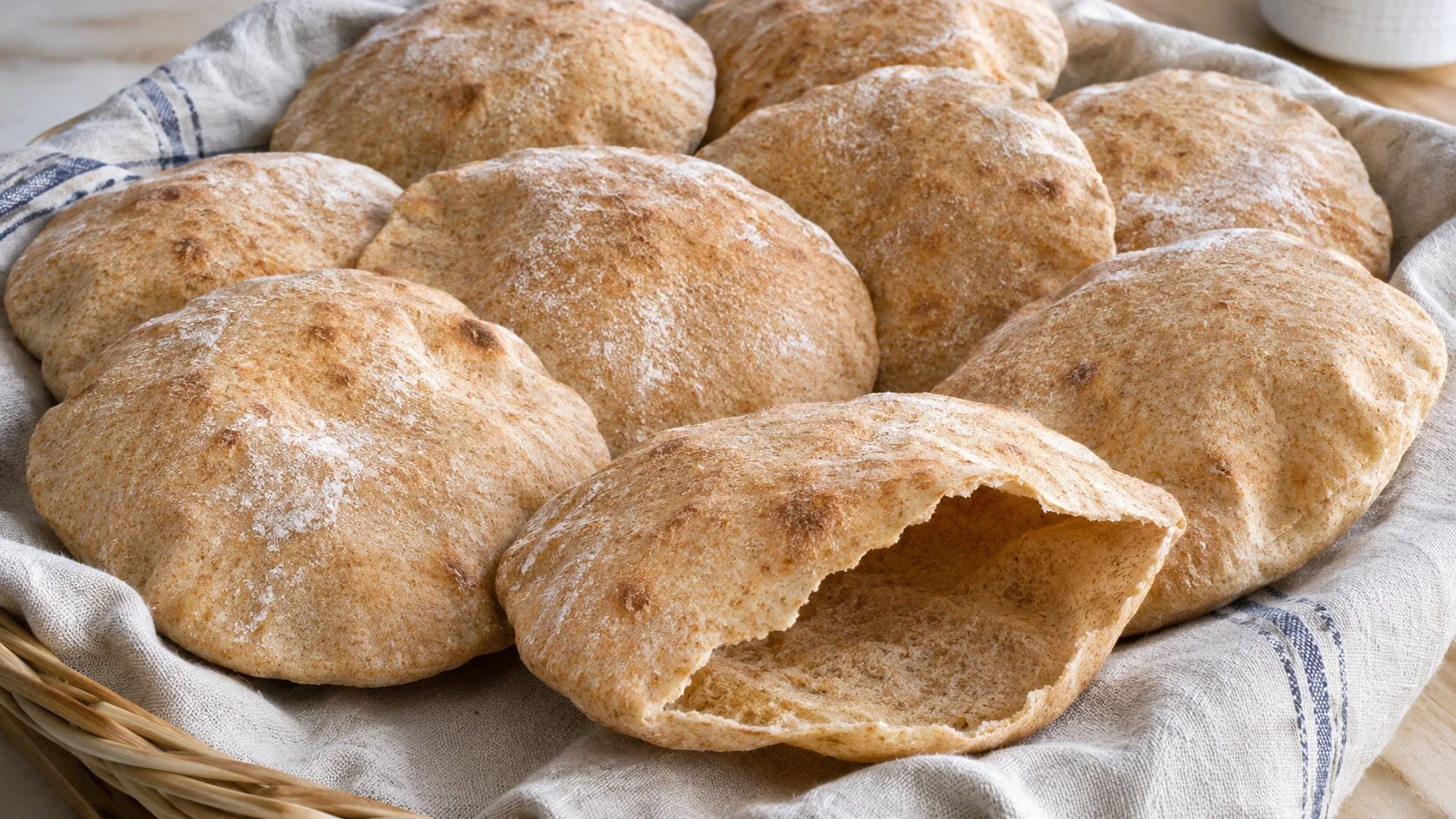
Puffy whole wheat sourdough pita bread with real pockets is a delightful way to enjoy a wholesome, homemade flatbread that puffs up beautifully in the oven. This recipe combines the nutty flavor and nutritional benefits of whole wheat flour with the natural leavening power of sourdough starter. Ideal for sandwiches, dips, or as a side, these pitas bring a satisfying texture and genuine pockets without any commercial yeast. If you’re looking to bake bread with authentic sourdough character and a soft crumb, this recipe is a practical and tasty option. For a similar wholesome baking experience, you might also appreciate Darcy’s whole wheat bread recipe, which uses similar principles.
Why This Recipe Is Helpful
- Allows you to make authentic pita bread with natural fermentation, yielding superior flavor and texture.
- Uses whole wheat flour for added fiber and nutrients compared to white flour pitas.
- The dough handling technique encourages puffing that creates real pockets without commercial yeast.
Best For
This recipe suits home bakers who want to explore sourdough baking and those seeking a nutritious, versatile flatbread. It’s excellent for people who appreciate natural fermentation and whole grains in their diets.
Be Careful If
Whole wheat flour has more fiber and can be denser than white flour, which may not suit everyone’s digestive preference or texture expectations. The fermentation process requires planning ahead, so it may not fit very quick cooking needs.
Ingredients
Overnight Whole Wheat Levain:
- 66 g (about ½ cup plus 1 tablespoon) whole wheat flour
- 66 g (65 ml) water
- 7 g (about 1½ teaspoons) ripe 100%-hydration sourdough starter
Main Dough:
- 632 g (5 cups) whole wheat flour
- 437 g (420 ml) water, first addition
- Up to 84 g (80 ml) water, second addition, added gradually
- 14 g (2 teaspoons) fine sea salt
- 139 g (about ⅔ cup) prepared ripe levain from above
- 14 g (1 tablespoon) extra-virgin olive oil
- Extra whole wheat flour for dusting during shaping
Ingredient Notes
- Whole wheat flour: Provides deeper flavor and more fiber than white flour, resulting in nuttier pita.
- Levain (sourdough starter): This natural fermentation agent needs to be ripe to ensure proper rise and flavor in the dough.
- Olive oil: Adds softness and richness but can be omitted or replaced with another neutral oil if preferred.
- Water additions: The gradual addition helps achieve a smooth, elastic, and soft dough despite the whole wheat’s higher absorption.
Kitchen Tools Needed
- Mixing bowl or stand mixer with dough hook
- Digital kitchen scale for accuracy
- Plastic wrap or damp towel for fermenting dough
- Baking steel or stone for best heat retention and puffing
- Rolling pin
- Oven capable of reaching 550°F (290°C) or maximum safe temperature
Step-by-Step Instructions
- Prepare the levain: The night before baking, mix 66 g whole wheat flour, 66 g water, and 7 g ripe sourdough starter in a small bowl. Cover and keep at 23–24°C (74–76°F) overnight until bubbly and ripe.
- Mix main dough: In a large mixing bowl or stand mixer, combine 632 g whole wheat flour, 437 g water, 14 g salt, and 139 g levain. Mix slowly for 1–2 minutes, then faster for 5 minutes. Rest the dough 5 minutes.
- Slowly add up to 84 g water while mixing for another 5 minutes until fully incorporated. Add 14 g olive oil and mix an additional minute.
- Knead by hand 6 to 8 minutes, rest 5 minutes, then knead again 6 to 7 minutes. Add water gradually if needed; dough should feel smooth, elastic, and soft but not sticky.
- Bulk fermentation: Cover dough and ferment at 23–24°C (74–76°F) for 3 hours, performing two stretch-and-folds spaced 30 minutes apart during the first hour, then leave uncovered or lightly covered until fermentation completes.
- Divide and shape: Portion dough into ten pieces (about 120 g each). Shape each into a tight ball, place on a floured tray, cover lightly, and proof for 1 hour until slightly risen (~30% volume increase).
- Preheat oven: Place baking steel or stone on the middle rack and preheat oven to the highest safe temperature (550°F/290°C recommended). Let the stone heat for at least 45 minutes.
- Roll out: Lightly dust a dough ball with flour, gently flatten and roll into a 7-inch (18 cm) circle about 1/8 inch thick, taking care not to deflate the dough too much.
- Bake: Slide one pita onto the hot steel/stone and bake for 1 to 2 minutes until it puffs up completely, forming a pocket. Flip carefully and bake about 1 more minute.
- Remove the pita and place it immediately into a clean towel-lined, covered container to keep soft. Repeat with remaining dough. Let cool enough before splitting pockets.
Pro Tips
- Use a hot baking stone or steel for instant heat to help the pita puff and form pockets.
- Rolling gently preserves the air bubbles needed for puffing; avoid pressing too hard.
- Stretch-and-folds during bulk fermentation improve dough strength and structure.
- Keep the dough relatively soft but manageable by adding water gradually.
Lighter Swaps
Using white whole wheat flour may yield a lighter color and milder flavor but less fiber. Reducing olive oil is possible for a leaner dough though it could affect softness slightly. This dough works best with whole wheat for texture and taste.
Common Mistakes
- Underproofed dough won’t puff well; ensure 30% rise before baking.
- Overworking or flattening too hard may deflate the dough, preventing pocket formation.
- Using a cooler oven or cold baking surface will produce flat, dense pita.
Serving Suggestions
Serve warm pita bread right out of the towel-lined container as pocket sandwiches, with hummus, falafel, tzatziki, or your favorite dips and fillings.
Storage Instructions
Store unused pitas in an airtight container at room temperature up to 2 days. For longer storage, freeze after cooling and reheat before serving.
Reheating Tips
Warm pitas wrapped in foil in a 350°F (175°C) oven for 5 to 7 minutes or briefly toast on a skillet to refresh softness and flexibility.
Nutrition Estimate
Per pita (120 g approximately):
- Calories: 220 kcal
- Protein: 7 g
- Carbohydrates: 45 g
- Fat: 4 g
Values are estimates and may vary by ingredients and portion size.
Recipe Summary
- Preparation time: 12 hours (includes overnight levain)
- Baking time: 10 minutes
- Total time: About 12 hours and 10 minutes
- Servings: 10 pita breads
- Cuisine: Middle Eastern / Mediterranean
- Course: Bread / Flatbread
- Calories: 220 kcal per serving (approx.)
Frequently Asked Questions
Can I make this recipe without sourdough starter?
You can use commercial yeast, but the flavor and texture will differ from this sourdough method.
What if my pita doesn’t puff during baking?
Ensure your oven and stone are very hot, and don’t roll the dough too thin or press out air pockets.
Can I use white flour instead of whole wheat?
Yes, but whole wheat provides more fiber and nuttier flavor. White flour may produce lighter, thinner pitas.
Conclusion
This whole wheat sourdough pita bread recipe offers a wholesome, naturally leavened flatbread with authentic puffed pockets. It’s a rewarding project for bakers interested in whole grains and sourdough, perfect for sandwiches or dipping. With just a little planning and patience, you’ll have fresh, flavorful pitas that elevate everyday meals.