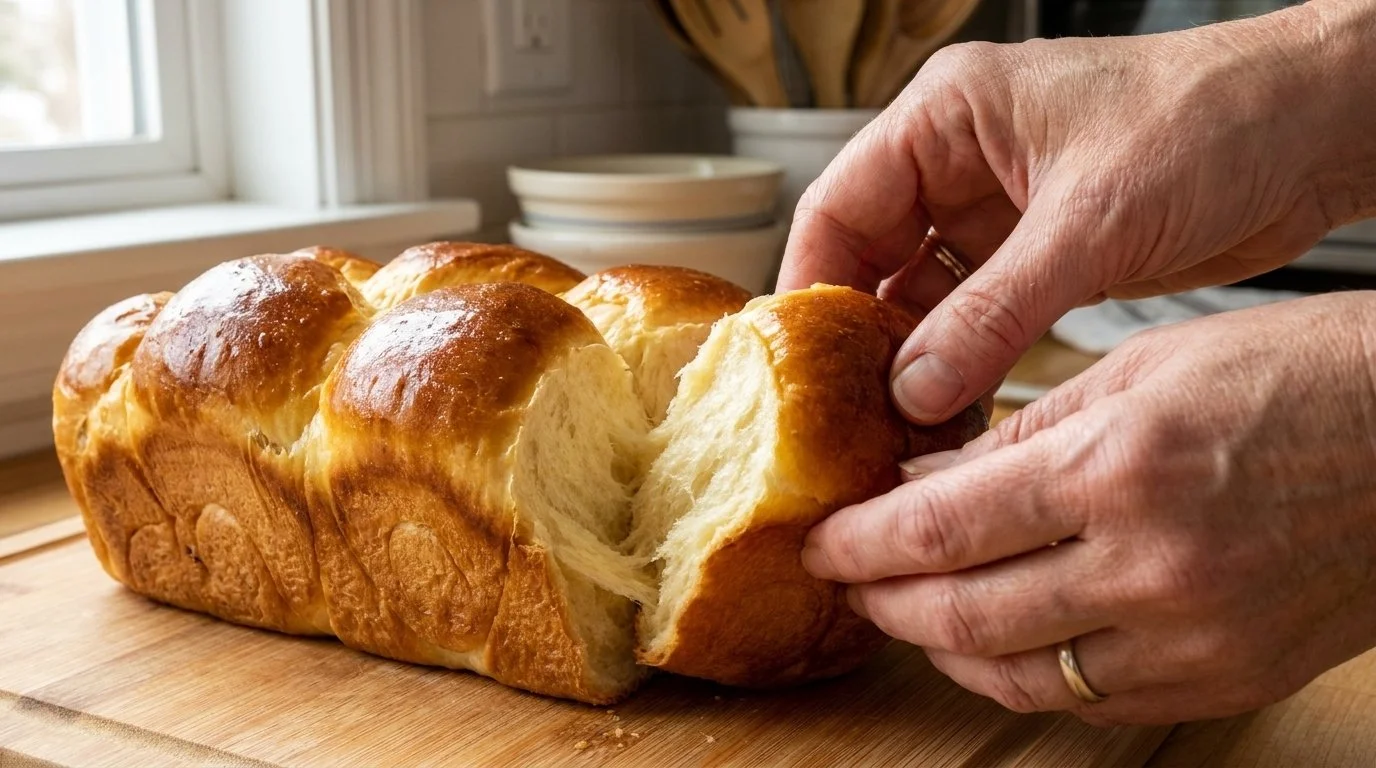
French brioche bread is a delightfully soft, rich, and buttery treat with a beautiful golden crust that complements any breakfast or afternoon tea. This recipe gives you that perfectly tender crumb and shiny finish, making it ideal for home bakers who appreciate a traditional yet straightforward French classic. The dough requires some patience with rising and kneading, but the results are well worth it. While brioche is high in butter and eggs, making it an indulgence best enjoyed in moderation, it shines as a special occasion bread to enjoy with your morning coffee or a light jam.
Why This Recipe Is Helpful
- Uses a straightforward yeast mixture to ensure a reliable rise and flavor.
- Incorporates softened butter gradually for that signature silky dough texture.
- Comes with clear guidance on proofing times to avoid common dough problems.
Best For
This brioche is perfect for those who want an authentic, buttery bread that elevates simple meals. It’s great for weekend baking, special breakfasts, or anyone who enjoys baking enriched bread recipes.
Be Careful If
Brioche is rich in butter and eggs, so it’s best enjoyed in moderation, especially for those monitoring fat or calorie intake.
Ingredients
- 375 g (about 3 cups) bread flour, divided (50 g for yeast mix, 325 g for dough)
- 75 g (6 tablespoons) sugar, divided (25 g for yeast mix, 50 g for dough)
- 5 g (1 ½ teaspoons) instant dry yeast
- 100 ml (about 7 tablespoons) milk
- ½ teaspoon salt
- 3 medium eggs, plus 1 extra egg for egg wash
- 120 g (½ cup or 1 stick) unsalted butter, softened
Ingredient Notes
- Bread flour is preferred for its protein content, which helps develop gluten for a sturdy yet soft crumb.
- Softened butter is key; cold butter won’t incorporate properly.
- Instant yeast is used for convenience, but active dry yeast can be substituted by proofing it in warm milk first.
- Whole eggs give the dough richness and color, while the egg wash creates the shiny golden crust.
Kitchen Tools Needed
- Stand mixer with a dough hook (optional but recommended)
- Mixing bowls
- Measuring cups and spoons
- Pastry brush for egg wash
- Oven and baking tray
- Plastic wrap or clean towel for covering dough
Step-by-Step Instructions
-
Prepare the yeast mixture: Combine 100 ml milk, 25 g sugar, 5 g instant yeast, and 4 tablespoons of the bread flour (from the 50 g reserved) in a bowl. Mix well and let it sit for 30 minutes at room temperature until bubbly and active. For a slower ferment, refrigerate overnight.
-
Mix dry ingredients: In the stand mixer bowl, combine the remaining 325 g bread flour, 50 g sugar, and ½ teaspoon salt.
-
Prep eggs: Lightly whisk 3 eggs in a separate bowl.
-
Start kneading dough: Add the bubbly yeast mixture to the dry ingredients. With the mixer running on low speed, gradually pour in the whisked eggs. Knead for about 7-8 minutes until the dough starts forming but is still a bit sticky.
-
Add butter: Add the softened butter in small pieces gradually while the mixer runs continuously. Knead for 10-15 more minutes. The dough should become smooth, elastic, and less sticky but still soft. If dough feels too warm or oily, pause to let it cool or add a small ice cube during kneading.
-
First rise: Transfer dough to a greased bowl, cover well with plastic wrap or a towel, and let it rise for about 1 hour or until doubled in size.
-
Shape the dough: Punch down the risen dough gently. Divide it into six equal portions, shaping each into smooth balls.
-
Proof dough balls: Place shaped balls on a baking tray lined with parchment paper. Cover and let them proof in a warm spot for 45 to 60 minutes until puffy.
-
Preheat oven: Set oven to 170°C (340°F) and prepare an egg wash by whisking the extra egg.
-
Egg wash and bake: Gently brush the top of each dough ball with the egg wash for that signature shine and golden crust. Bake for 30-35 minutes until the brioche has a rich golden color and sounds hollow when tapped.
Pro Tips
- Lightly flour your hands when handling sticky dough to prevent tearing but avoid over-flouring which can dry the bread.
- Using softened butter ensures it blends smoothly without lumps.
- Control proofing time carefully; too long can cause a loss of flavor or a coarse crumb.
- If dough feels too oily during kneading, chilling briefly can help maintain the right texture.
Lighter Swaps
Brioche is inherently rich, so lighter substitutions may impact texture and flavor. The original recipe works best especially for maintaining its buttery softness.
Common Mistakes
- Adding butter too quickly can cause dough to separate.
- Over-proofing leads to a flat texture and weaker flavor.
- Using cold butter makes kneading difficult and results in uneven crumb.
Serving Suggestions
Serve fresh brioche warm with butter, honey, or jam for breakfast, or use it for sandwiches and French toast.
Storage Instructions
Store brioche in an airtight container or wrapped in foil to keep it soft for up to 3 days at room temperature.
Reheating Tips
Warm slices briefly in a toaster or oven to refresh the texture before serving.
Nutrition Estimate (per serving, based on 6 servings)
- Calories: ~320 kcal
- Protein: 7 g
- Carbs: 35 g
- Fat: 16 g
Values are estimates and may vary by ingredients and portion size.
Recipe Summary
- Prep Time: 45 minutes (plus rising and proofing)
- Cook Time: 30-35 minutes
- Total Time: About 2.5 to 3 hours including proving
- Servings: 6
- Cuisine: French
- Course: Breakfast or snack
- Calories: Approximately 320 per serving
Frequently Asked Questions
Q: Can I make the dough without a stand mixer?
A: Yes, you can knead by hand but expect to spend 15-20 minutes to develop the right dough texture.
Q: How do I know when the brioche is baked perfectly?
A: Look for a deep golden crust and a hollow sound when you tap the bottom of the loaf or buns.
Q: Can I freeze brioche dough or finished bread?
A: Brioche dough freezes well before the first rise; finished bread freezes best after fully cooled, then thaw before eating.
Enjoy making this classic French brioche—its comforting richness and tender crumb make it a rewarding baking project. The buttery aroma and golden crust bring a little French café magic into your kitchen.